
What Is Inbound Marketing? Complete 2026 Guide
Inbound marketing attracts an audience with useful answers, turns that attention into a relationship and supports prospects towards an appropriate decision. It is more than publishing articles: it connects content, search, conversion pages, email, sales qualification and retention. For a related comparison, see how to get leads.
Inbound and outbound serve different roles
Outbound distributes a message to an audience through activity such as advertising or prospecting. Inbound builds assets people can find when they seek an answer. Both may work together when targeting, messaging and measurement are coherent.
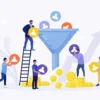
The four stages of inbound marketing
- Attract: understand relevant searches and distribute reliable content through SEO, social channels and partners.
- Convert: offer a useful next step such as contact, assessment, subscription or a resource on a clear page.
- Nurture: segment people and provide information suited to their need and decision stage.
- Retain: support customers after purchase, collect feedback and build a durable relationship.
1. Define personas and intent
A useful persona describes context, problems, selection criteria, objections, decision participants and expected evidence. Connect each need to discovery, comparison and decision questions.
2. Build a content architecture
Create a pillar for each strategic subject and connect focused supporting content. Every page needs one primary intent and a logical next step. Update dated information and consolidate competing pages instead of publishing weak variants.
3. Design conversion points
A conversion offer should provide clear value in proportion to the information requested. Use explicit calls to action, short forms, a visible confirmation and an accessible privacy notice. Test delivery before sending campaign traffic.
4. Nurture responsibly
Email sequences should remain useful and provide a simple unsubscribe route. Adapt pace and content to consent, behaviour and maturity. Automation does not replace a timely human response when a prospect is ready.
5. Connect marketing and sales
Define a qualified lead, the information transferred, expected response time and the feedback sales provides. A CRM can centralise history, but the process must be understandable and respect people’s rights.
Select tools after the process
Start with the smallest toolset that can publish content, capture consent, route valid enquiries and record outcomes. Check data ownership, exports, user permissions, integration effort and recurring cost before adding marketing automation. A complex platform does not repair an unclear offer or an unreliable follow-up process.
A practical 90-day starting plan
- Days 1–30: interview customers and sales colleagues, define personas, audit existing content and confirm the primary conversion.
- Days 31–60: improve one pillar, create focused supporting pages, test the form and prepare a short consent-based nurture sequence.
- Days 61–90: distribute the content, review lead quality with sales and improve the weakest step using measured evidence.
Common mistakes to avoid
- publishing without a journey or next step;
- gating every useful answer behind a form;
- automating messages before consent and segmentation are clear;
- measuring traffic while ignoring valid enquiries and revenue;
- leaving sales feedback outside the reporting cycle.
Measure performance
| Stage | Measures |
|---|---|
| Attraction | Qualified visits, rankings and engagement |
| Conversion | Conversion rate, valid enquiries and cost per lead |
| Nurturing | Replies, progression and unsubscribes |
| Sales and retention | Opportunities, attributable revenue, repeat business and satisfaction |
Why use inbound marketing?
- build value through durable content and pages;
- answer questions before a sales conversation;
- qualify enquiries more effectively;
- coordinate marketing, sales and service;
- learn from real customer journeys.
Results still depend on information quality, competition, decision cycles and follow-up. Inbound should therefore be part of a measurable digital marketing strategy.
Want to build inbound around your sales cycle? Talk to Didacweb about content, conversion pages and lead follow-up.