

CEDIC
Institutional website
law & training
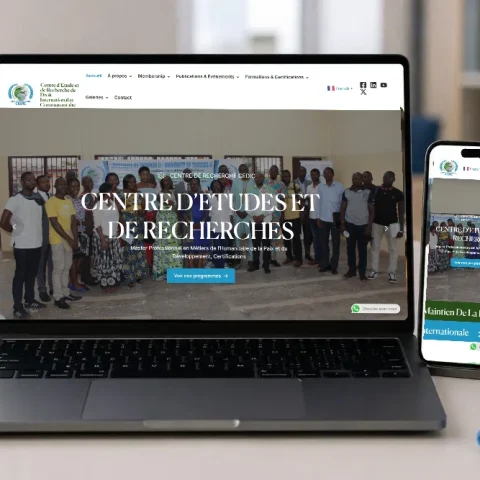
An institutional website introducing CEDIC at the University of Yaoundé II, its research areas, training programmes and the steps available to applicants.

CEDIC, a centre dedicated to law and training.
The Centre for the Study and Research of International and Community Law is part of the University of Yaoundé II-Soa in Cameroon. It focuses on research, professional training and legal expertise, including governance, peace, human rights and development.
The project addresses the need to bring together the centre’s introduction, its programmes and information for people interested in training or getting in touch.
- Introduce the centrePresent CEDIC, its research areas and its academic activities.
- Make programmes accessibleBring training and certification programmes together in a dedicated section.
- Guide applicantsProvide access to admissions information and the centre’s contact details.

CONTEXT, OBJECTIVES AND PROJECT
The choices that structure the CEDIC website.
- University centre in Cameroon
- International and community law
- Research and professional training
- Governance and human rights
- Humanitarian work, peace and development
- Training and certification programmes
- Explain the centre’s mission
- Present its fields of study
- Bring programmes together
- Guide visitors to admissions
- Help visitors find information
- Make contact accessible
- Organisation: CEDIC
- Institution: University of Yaoundé II
- Country: Cameroon
- Project: Institutional website
- Activity: Research and training
- Status: Website online
- WordPress
- Elementor
- Institutional pages
- Training catalogue
- Admissions form
- Contact form
THE WEBSITE IN PICTURES
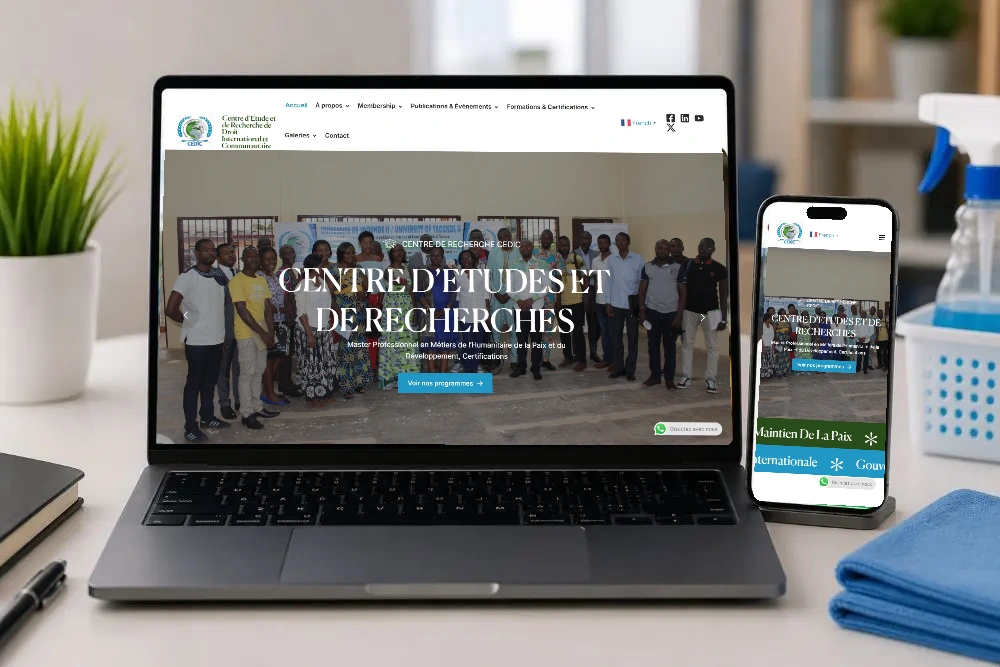
Explore the CEDIC website on every screen.
Browse the project screens
MAIN FEATURES
A website to introduce the centre and guide applicants.
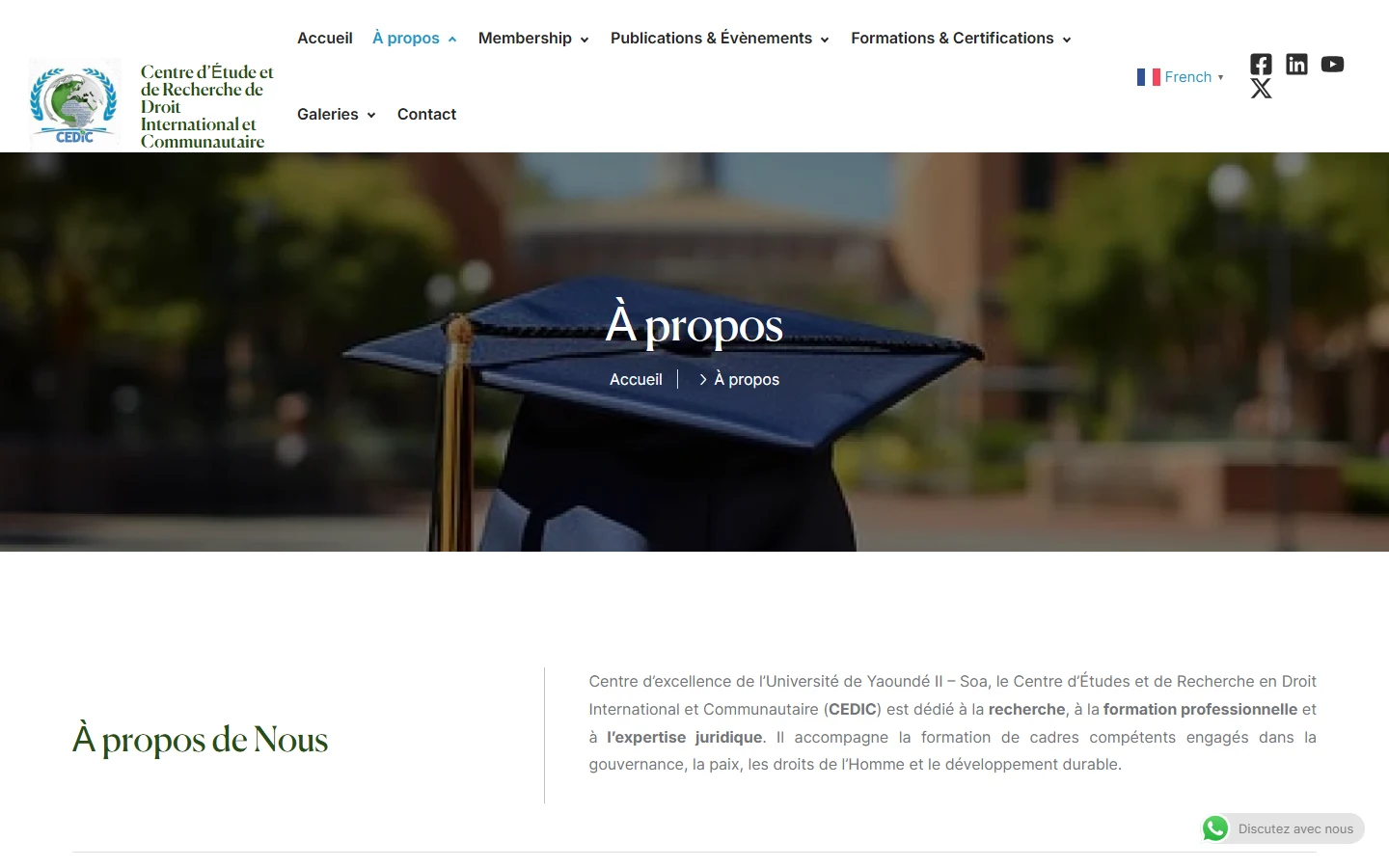
1– An institutional introduction
The About page places CEDIC within the University of Yaoundé II and introduces its research and training activities.
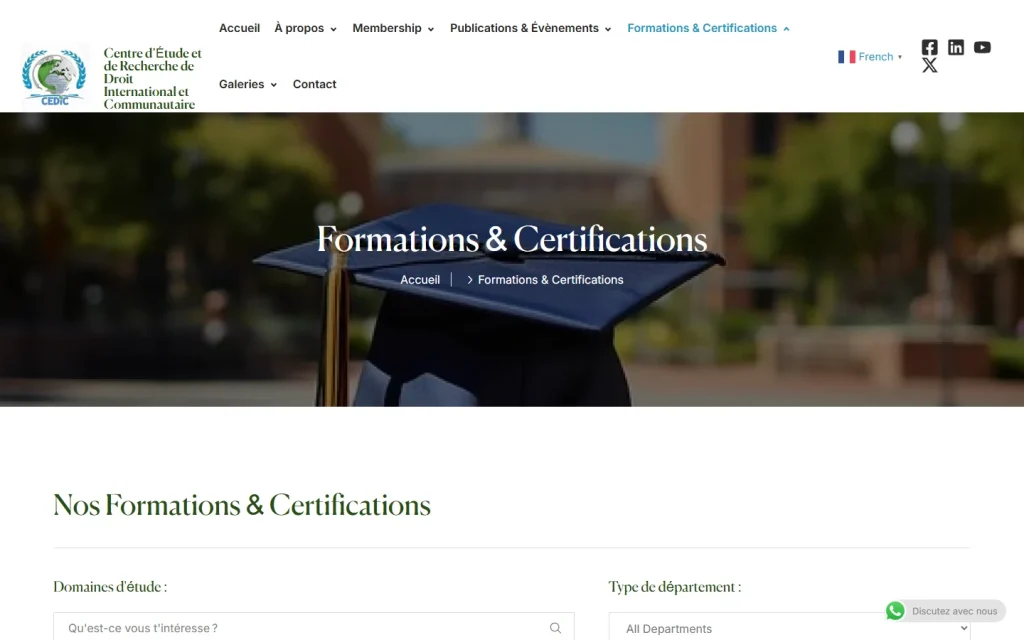
2– A training and certification catalogue
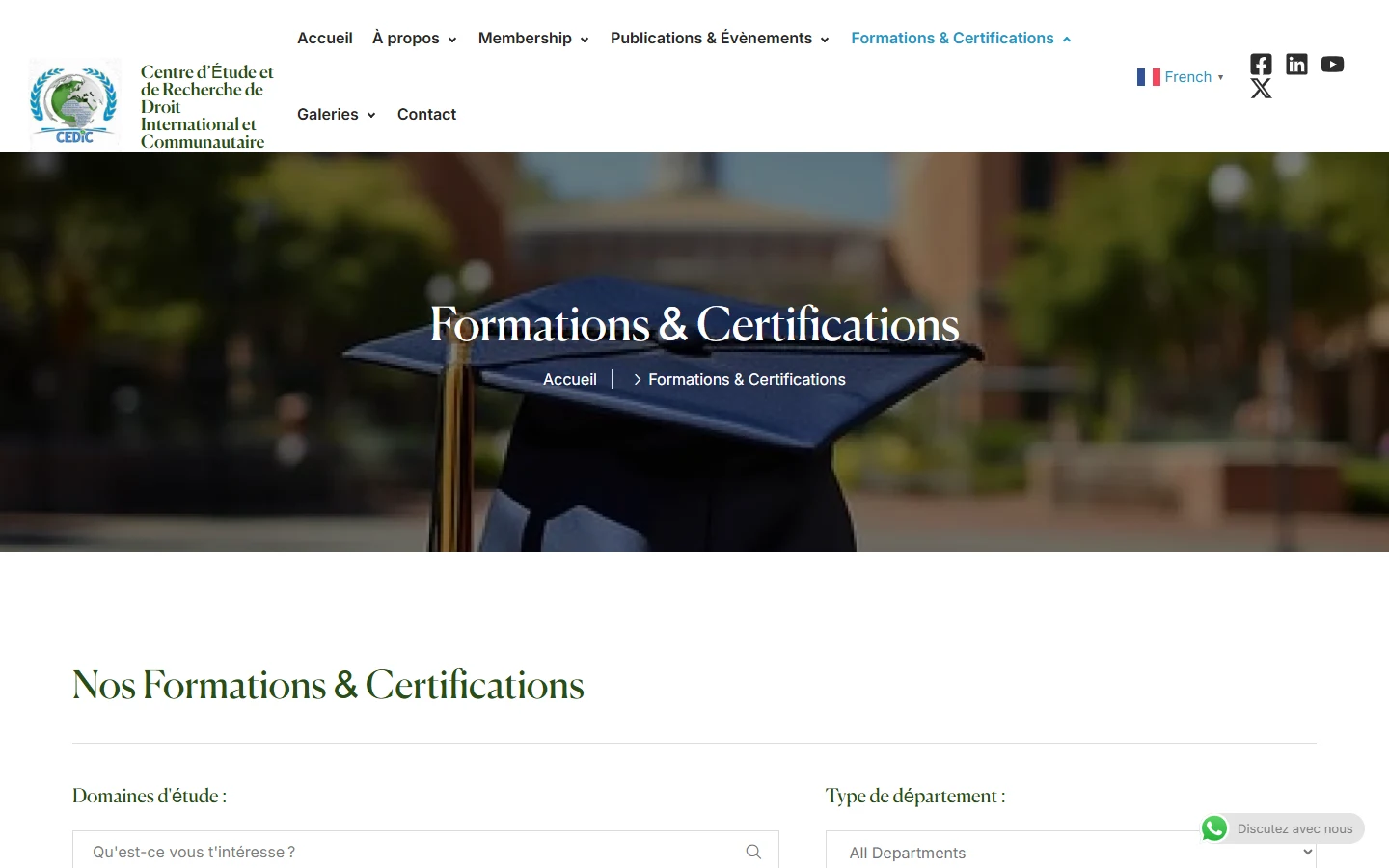
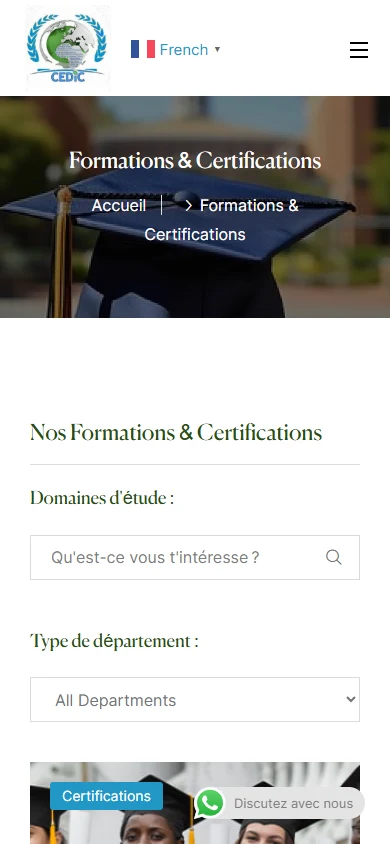
Programmes are grouped in a section with categories and fields of study to guide browsing.
3– An admissions form
The Admissions page presents the information requested from applicants, including their contact details and academic background.
4– Visible research areas
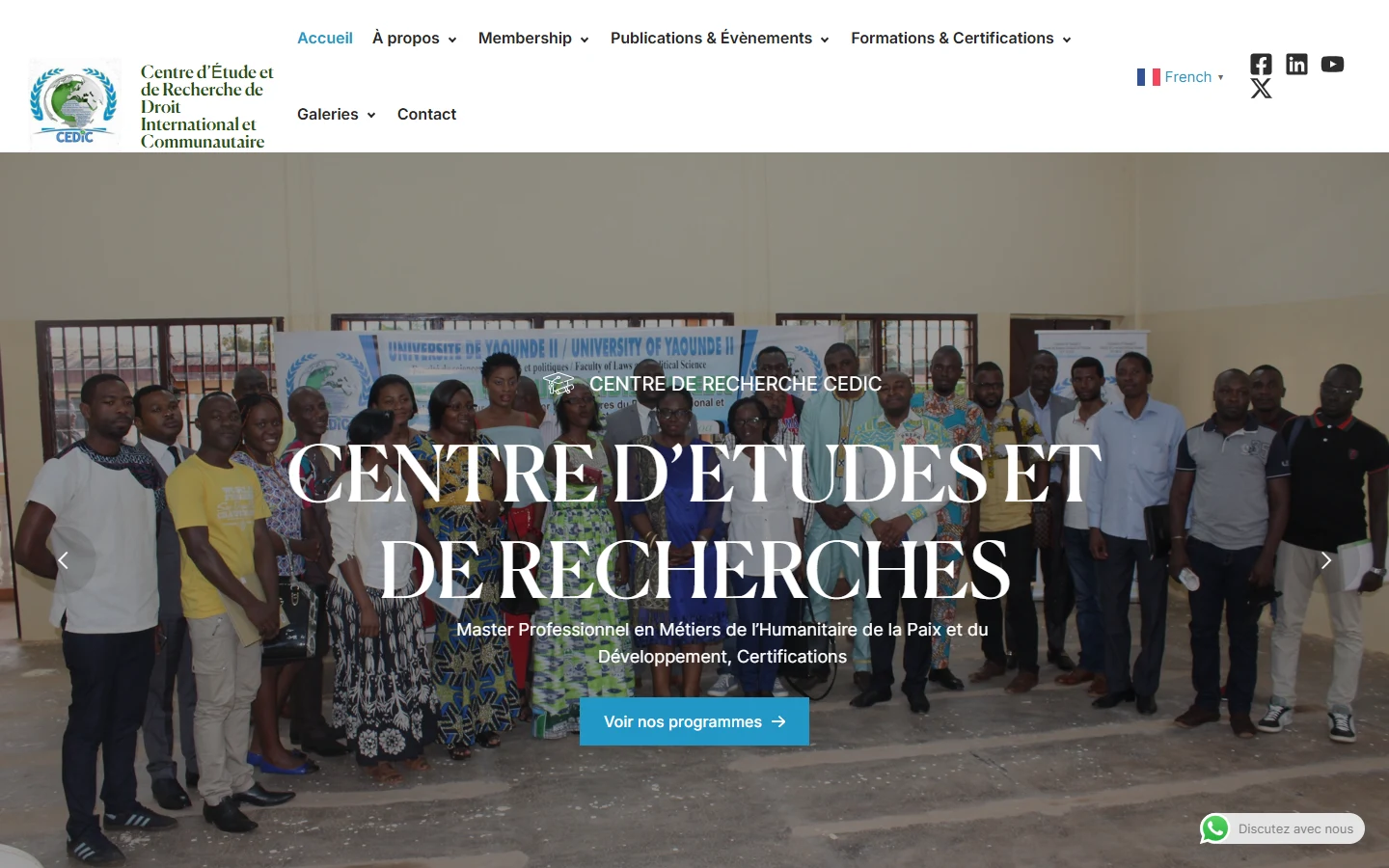
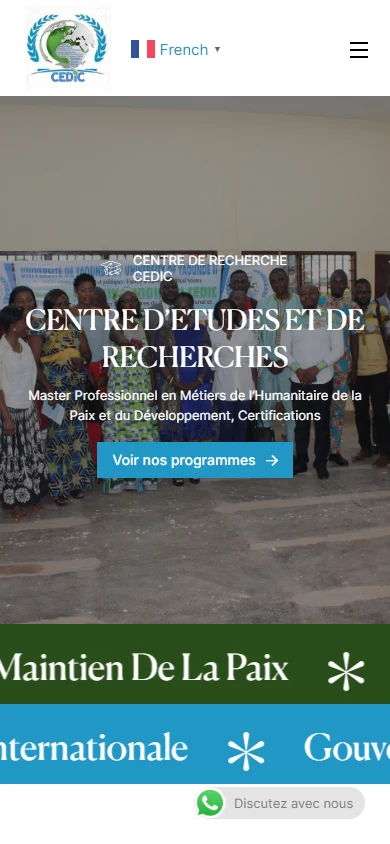
The homepage and navigation introduce the centre’s themes, including international law, governance and human rights.
5– Contact details and a form
The Contact page brings together the centre’s address, phone numbers and a form for writing a message.

RESULTS & BENEFITS
Information brought together to help visitors find their way.

Benefit 1
The institutional introduction helps visitors understand CEDIC and its areas of activity.

Benefit 2
The catalogue provides a shared entry point to the training and certification programmes presented.

Benefit 3
Links to the Admissions page connect programme discovery with the information requested from applicants.

Benefit 4

Benefit 5
Contact details and the form bring together ways to request information from CEDIC.


DIDACWEB’S PERSPECTIVE
Didacweb’s perspective: make visitor journeys clear.
Didacweb
Perspective on the CEDIC website
Didacweb
PLANNING A SIMILAR PROJECT?
Give your institution a clear and structured online presence.
Tell us about your institution, its activities and the information your audiences need to find. Let’s discuss a website that fits your project.