
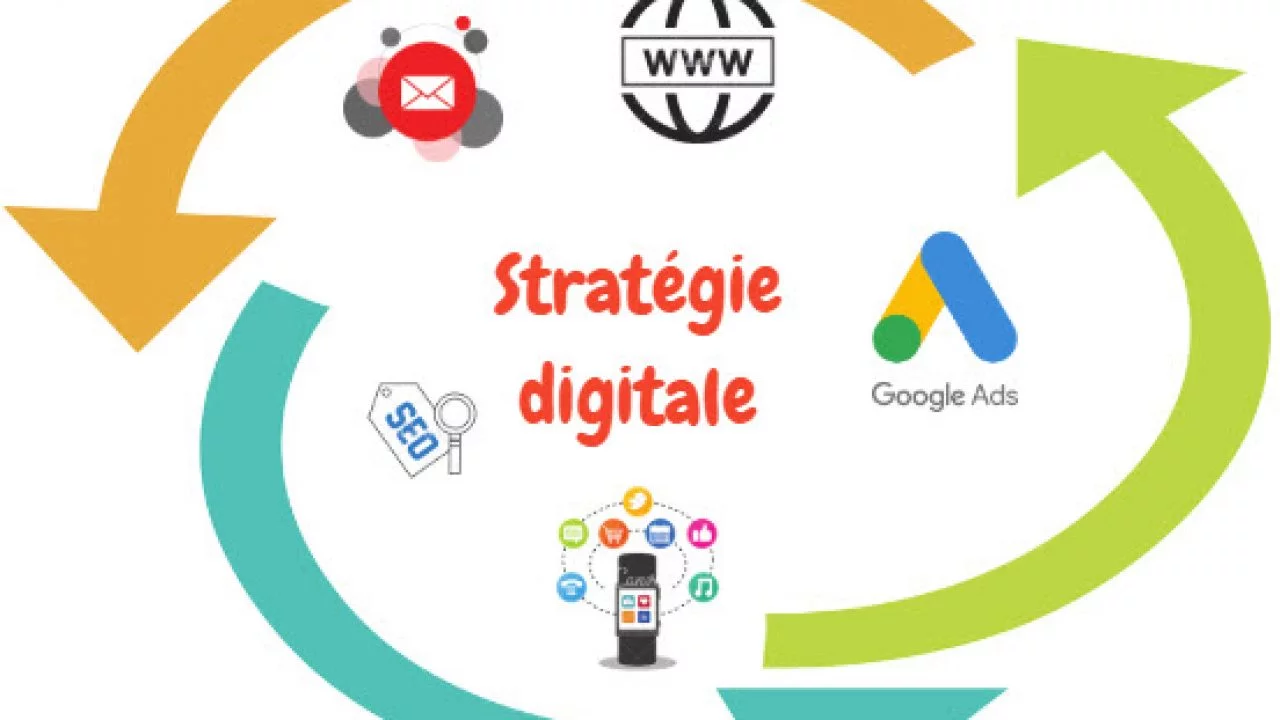
Create an Effective Digital Strategy in 4 Steps
A digital strategy becomes effective when it is simple enough to execute and clear enough to measure. For entrepreneurs and SMEs, four words summarize the process: attract, convert, engage and retain.
In this article, we explain the key ideas in practical terms, with a focus on business usefulness, user experience, visibility and conversion. The goal is to help entrepreneurs, SMEs and organizations make better decisions and avoid common mistakes.
Introduction
The world continues to become more digital across almost every business sector. Customers compare, search, ask questions and make decisions online. Companies must therefore organize their digital presence instead of treating it as an accessory.
The best results usually come from consistency. A single action rarely changes everything, but a coherent system of useful content, accessible design, search optimization, social proof and clear calls to action can create a real commercial advantage over time.
Step 1: Attract the right people
Before launching any campaign, define who you want to reach. Your future customers have specific problems, habits and decision criteria. Attraction starts by understanding where they are and what they are looking for.
Create an Effective Digital Strategy in 4 Steps is not only a technical subject. It is a business decision that influences visibility, trust, lead generation, customer experience and long-term growth. A company that wants to use digital channels seriously must connect the topic to clear objectives, a precise audience and measurable results.
The first step is to understand what the audience expects. Visitors do not simply want information; they want reassurance, clarity and a simple path toward action. When the message is precise, the design is consistent and the content answers real questions, the digital experience becomes easier to trust.
Use social media strategically
Facebook, Instagram, LinkedIn, YouTube and TikTok can all be useful, but not for the same purpose. Choose platforms according to your target audience and publish content that supports a clear objective.
Digital tools evolve quickly, but the fundamentals remain stable: know your target audience, communicate with precision, remove unnecessary friction and improve the experience continuously. This is how a website or campaign becomes an asset instead of a static online brochure.
Use SEO to be found on search engines
When a potential customer searches for your services, your business should appear with helpful, optimized pages. SEO is a long-term lever that builds visibility and credibility.
It is also important to keep the user journey simple. A visitor should quickly understand who you are, what you offer, why it matters and how to contact you. This simplicity does not reduce quality; it makes the experience more professional and more efficient.
Invest in content marketing
Articles, videos, case studies and guides help position your company as a useful expert. Content marketing works especially well when it answers real questions and connects naturally to your offers.
A strong approach also requires regular measurement. Without data, it is difficult to know which actions attract visitors, which pages convince them and which points block conversion. Basic indicators such as traffic sources, click-through rate, conversion rate, bounce rate and search visibility help guide decisions.
Use online advertising
Paid campaigns can accelerate visibility when they are well targeted. They are useful for launches, promotions and lead generation, but they must be tracked carefully to control costs.
Digital tools evolve quickly, but the fundamentals remain stable: know your target audience, communicate with precision, remove unnecessary friction and improve the experience continuously. This is how a website or campaign becomes an asset instead of a static online brochure.
Step 2: Convert visitors into prospects
Conversion means helping a visitor take the next step: send a message, request a quote, call, download a resource or book an appointment. A strong first impression is essential.
For Didacweb clients, this logic is central. The objective is not to publish for the sake of publishing, but to build digital assets that support credibility, performance and growth in real market conditions.
Create an Effective Digital Strategy in 4 Steps is not only a technical subject. It is a business decision that influences visibility, trust, lead generation, customer experience and long-term growth. A company that wants to use digital channels seriously must connect the topic to clear objectives, a precise audience and measurable results.
Step 3: Engage and build trust
Once a prospect shows interest, the company must reduce doubt. Proof, testimonials, clear explanations, follow-up messages and personalized answers help move the person closer to purchase.
Digital tools evolve quickly, but the fundamentals remain stable: know your target audience, communicate with precision, remove unnecessary friction and improve the experience continuously. This is how a website or campaign becomes an asset instead of a static online brochure.
Step 4: Retain customers
A satisfied customer can buy again, recommend your brand and become an ambassador. Email, useful updates, customer care and quality after-sales communication support loyalty.
Create an Effective Digital Strategy in 4 Steps is not only a technical subject. It is a business decision that influences visibility, trust, lead generation, customer experience and long-term growth. A company that wants to use digital channels seriously must connect the topic to clear objectives, a precise audience and measurable results.
Best practices to apply
- Clarify the objective before launching any action.
- Adapt the message to the real audience and its level of understanding.
- Use clear structure, readable content and visible calls to action.
- Measure results and improve the content regularly.
- Keep the experience simple, credible and consistent across channels.
Common mistakes to avoid
The most frequent mistake is to work without a clear objective. A website, an article, a campaign or a brand identity must not be created only because competitors are doing it. It must answer a real business need and guide the visitor toward a logical next step.
Another common mistake is to ignore maintenance. Content becomes outdated, tools change, user expectations evolve and competitors improve their own presence. Regular updates protect SEO value and preserve the trust built with visitors.
Need digital support?
Didacweb supports companies with website creation, SEO, online advertising, digital strategy, content, marketing automation and performance optimization. If you want to improve visibility, generate qualified leads or build a stronger online presence, our team can help you create a strategy adapted to your market.
Practical implementation guidance
Create an Effective Digital Strategy in 4 Steps is not only a technical subject. It is a business decision that influences visibility, trust, lead generation, customer experience and long-term growth. A company that wants to use digital channels seriously must connect the topic to clear objectives, a precise audience and measurable results.
The first step is to understand what the audience expects. Visitors do not simply want information; they want reassurance, clarity and a simple path toward action. When the message is precise, the design is consistent and the content answers real questions, the digital experience becomes easier to trust.
For small and medium-sized businesses, digital strategy should be treated as a practical investment rather than a decorative action. Every page, campaign, visual, article or landing page must support a business goal: gaining visibility, explaining an offer, generating qualified contacts, selling online or improving customer loyalty.
A strong approach also requires regular measurement. Without data, it is difficult to know which actions attract visitors, which pages convince them and which points block conversion. Basic indicators such as traffic sources, click-through rate, conversion rate, bounce rate and search visibility help guide decisions.
The best results usually come from consistency. A single action rarely changes everything, but a coherent system of useful content, accessible design, search optimization, social proof and clear calls to action can create a real commercial advantage over time.
Further recommendations
It is also important to keep the user journey simple. A visitor should quickly understand who you are, what you offer, why it matters and how to contact you. This simplicity does not reduce quality; it makes the experience more professional and more efficient.
Digital tools evolve quickly, but the fundamentals remain stable: know your target audience, communicate with precision, remove unnecessary friction and improve the experience continuously. This is how a website or campaign becomes an asset instead of a static online brochure.
For Didacweb clients, this logic is central. The objective is not to publish for the sake of publishing, but to build digital assets that support credibility, performance and growth in real market conditions.
Create an Effective Digital Strategy in 4 Steps is not only a technical subject. It is a business decision that influences visibility, trust, lead generation, customer experience and long-term growth. A company that wants to use digital channels seriously must connect the topic to clear objectives, a precise audience and measurable results.
The first step is to understand what the audience expects. Visitors do not simply want information; they want reassurance, clarity and a simple path toward action. When the message is precise, the design is consistent and the content answers real questions, the digital experience becomes easier to trust.
Further recommendations
For small and medium-sized businesses, digital strategy should be treated as a practical investment rather than a decorative action. Every page, campaign, visual, article or landing page must support a business goal: gaining visibility, explaining an offer, generating qualified contacts, selling online or improving customer loyalty.